
Fill in the short form below to find out if you qualify for mortgage assistance.
Free Consultation and Case Evaluation
We serve all US States.

For Personal Service Call 855-884-HOPE | Privacy
About the Mortgage Help Center
The Mortgage Help Center connects homeowners with experienced professionals, including licensed attorneys, who assist with foreclosure prevention, loan review, and exploring legal and non-legal alternatives. Our team helps evaluate your options based on your specific situation. We are not affiliated with the government or your lender.
Required Government Notice: The Mortgage Help Center is not associated with the government, and our service is not approved by the government or your lender. Even if you accept this offer and use our service, your lender may not agree to change your loan.
Foreclosure Laws by State and U.S. Territory
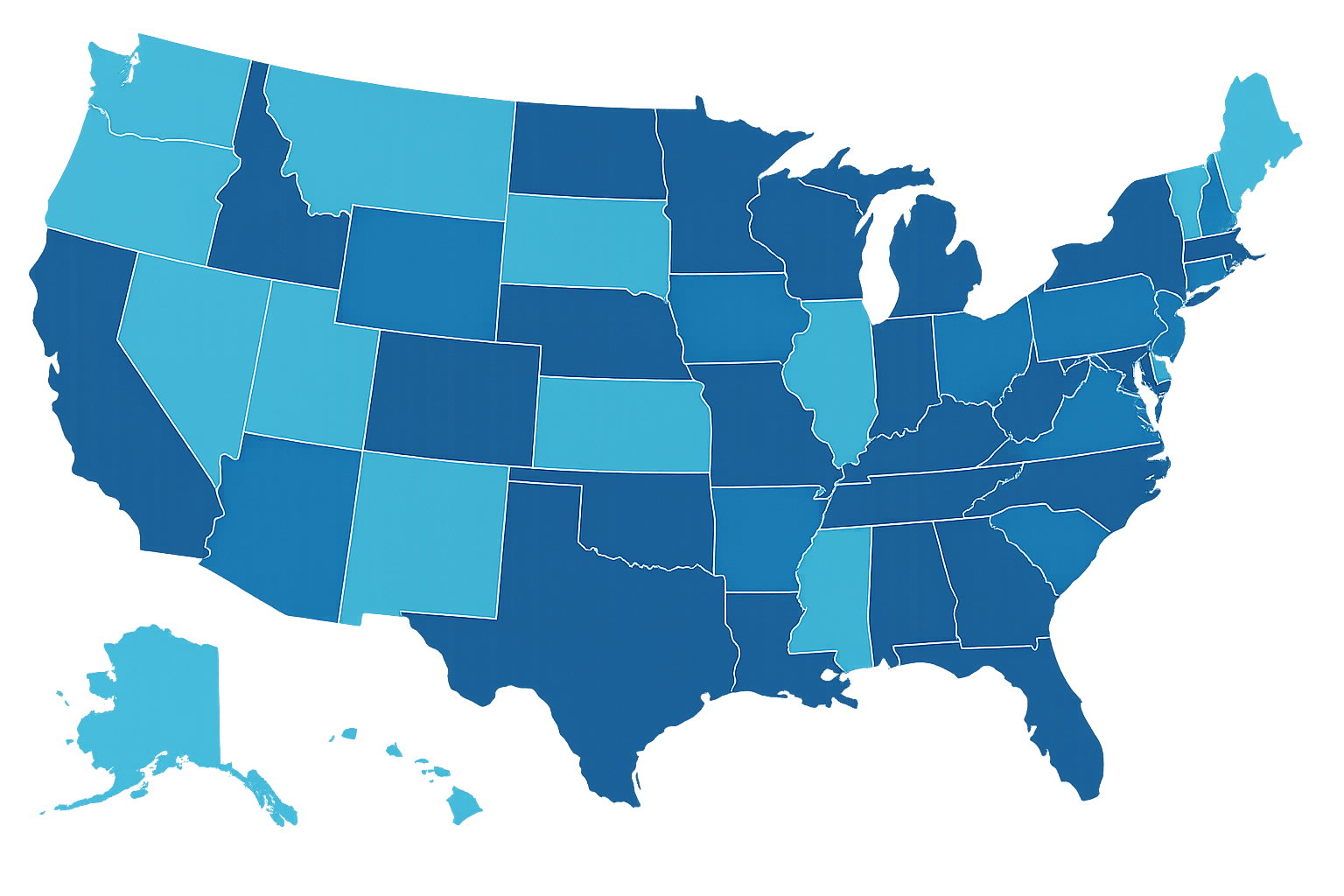
Select your state or territory to view a summary of the foreclosure laws that apply to you, including the timeline and whether the process is judicial or administrative.
Alabama
Type of Foreclosure: Nonjudicial
Timeline: As little as 30–60 days after default
Summary: Alabama uses a nonjudicial foreclosure process. The lender must provide a notice of default and advertise the foreclosure sale for three consecutive weeks before selling the property at public auction. A limited right of redemption may be available.
Alaska
Type of Foreclosure: Nonjudicial (mostly)
Timeline: 90–120 days
Summary: Most Alaska foreclosures are nonjudicial. The trustee records a Notice of Default, followed by a 30-day period, then a Notice of Sale with at least 30 days before the auction. Judicial foreclosures are rare.
Arizona
Type of Foreclosure: Nonjudicial (Trustee Sale)
Timeline: At least 91 days after notice
Summary: Arizona uses nonjudicial foreclosures primarily. After the Notice of Trustee Sale is filed, a sale can occur after 90 days. No court action is required, and no redemption after sale.
Arkansas
Type of Foreclosure: Nonjudicial (mainly)
Timeline: 60–90 days
Summary: Arkansas generally uses a nonjudicial process if the mortgage has a power of sale clause. The process includes a 10-day cure period and a 30-day notice of default. The sale notice is published for four weeks.
California
Type of Foreclosure: Nonjudicial (majority)
Timeline: Around 120 days from default
Summary: California’s nonjudicial foreclosure begins with a Notice of Default, followed by a 90-day waiting period. A Notice of Sale is then issued and must be at least 20 days before the auction. No redemption right after sale.
Colorado
Type of Foreclosure: Nonjudicial (with court oversight)
Timeline: About 110–125 days
Summary: Colorado foreclosures are technically nonjudicial but require limited court involvement. The process begins with a Notice of Election and Demand and is followed by a Rule 120 hearing. A public trustee conducts the sale.
Connecticut
Type of Foreclosure: Judicial
Timeline: Typically 6–9 months
Summary: Connecticut uses a judicial foreclosure process. The lender must file a lawsuit and obtain a judgment from the court. The process may end with either a strict foreclosure or a foreclosure by sale, depending on the case.
Delaware
Type of Foreclosure: Judicial
Timeline: 6–12 months or longer
Summary: Delaware foreclosures require court action. The lender files a complaint, and if the borrower does not respond, the court may issue a default judgment. The property is sold at a sheriff’s sale.
Florida
Type of Foreclosure: Judicial
Timeline: 180–200+ days, sometimes over a year
Summary: Florida requires all foreclosures to go through the court system. The lender files a lawsuit, and the borrower has 20 days to respond. If the court rules in favor of the lender, a sale date is scheduled.
Georgia
Type of Foreclosure: Nonjudicial
Timeline: 37 days minimum
Summary: Georgia foreclosures are nonjudicial and can happen quickly. The lender must send a notice of default and advertise the sale in a local newspaper for four consecutive weeks. No court approval is required.
Hawaii
Type of Foreclosure: Judicial and Nonjudicial
Timeline: 6–12 months (judicial), 90–120 days (nonjudicial)
Summary: Hawaii permits both judicial and nonjudicial foreclosures. Nonjudicial foreclosures follow a Mortgage Foreclosure Dispute Resolution Program. Judicial foreclosures are more time-consuming and involve court proceedings.
Idaho
Type of Foreclosure: Nonjudicial (primarily)
Timeline: About 150 days
Summary: Idaho uses a nonjudicial process. The trustee records a Notice of Default and mails it to the borrower. A Notice of Sale is published for four weeks. Borrowers have 115 days to cure the default before sale.
Illinois
Type of Foreclosure: Judicial
Timeline: 8–12 months, potentially longer
Summary: Illinois uses a judicial foreclosure process. The lender files a lawsuit, and the court must approve the sale. Redemption rights exist for up to seven months after service or three months after judgment.
Indiana
Type of Foreclosure: Judicial
Timeline: 6–9 months on average
Summary: Foreclosure in Indiana must proceed through the courts. The process starts with a complaint and ends with a sheriff’s sale if the borrower cannot reinstate or redeem the mortgage.
Iowa
Type of Foreclosure: Judicial
Timeline: 6–12 months
Summary: Iowa uses a judicial foreclosure process, offering two options: with redemption (delays sale but allows a redemption period) and without redemption (faster but no redemption). Most foreclosures are with redemption.
Kansas
Type of Foreclosure: Judicial
Timeline: 6–12 months
Summary: Kansas requires judicial foreclosure. The process begins with the lender filing a lawsuit, and if the borrower does not respond or loses the case, the property is sold at a sheriff’s sale. A redemption period of up to 12 months may apply.
Kentucky
Type of Foreclosure: Judicial
Timeline: 6–9 months
Summary: Foreclosures in Kentucky proceed through the court system. The lender files a lawsuit, and after judgment, the property is sold at a commissioner’s sale. There is typically no right of redemption after the sale.
Louisiana
Type of Foreclosure: Judicial (usually executory process)
Timeline: 60–180 days
Summary: Louisiana foreclosures are generally handled through an expedited judicial process called executory process. If the mortgage includes a confession of judgment, the court can issue a writ of seizure and sale without full litigation.
Maine
Type of Foreclosure: Judicial
Timeline: 8–12 months
Summary: Maine uses a judicial foreclosure process. After filing a complaint, the lender must wait 20 days for a response. If the court issues a judgment, there’s a 90-day redemption period before the property can be sold.
Maryland
Type of Foreclosure: Nonjudicial (quasi-judicial)
Timeline: 90–120 days
Summary: Maryland foreclosures follow a quasi-judicial process. The lender must file an order to docket and provide proper notice to the borrower. Mediation is often available before the property is scheduled for sale.
Massachusetts
Type of Foreclosure: Nonjudicial
Timeline: 90–120 days
Summary: Massachusetts primarily uses a nonjudicial foreclosure process. Lenders must send a right-to-cure notice and publish notice of sale in a newspaper for three weeks. A court review is optional but not required.
Michigan
Type of Foreclosure: Nonjudicial
Timeline: About 120 days
Summary: Michigan uses a nonjudicial foreclosure by advertisement process. After a borrower defaults, notice is published and mailed. Redemption rights last six months after the sale for most properties.
Minnesota
Type of Foreclosure: Nonjudicial (mostly)
Timeline: 90–120 days
Summary: Minnesota primarily uses nonjudicial foreclosure with notice and publication requirements. Judicial foreclosures are available but less common. Borrowers generally have a six-month redemption period.
Mississippi
Type of Foreclosure: Nonjudicial
Timeline: 30–60 days
Summary: Mississippi foreclosures are typically nonjudicial. Lenders must provide a notice of default and publish a notice of sale for three consecutive weeks. There is no post-sale redemption right for the borrower.
Missouri
Type of Foreclosure: Nonjudicial (common), Judicial (possible)
Timeline: 60–90 days
Summary: Missouri usually uses nonjudicial foreclosure through a power of sale clause. Lenders must provide 20 days’ notice and publish sale information. Judicial foreclosure is an option but not typically used.
Montana
Type of Foreclosure: Nonjudicial (primarily)
Timeline: 120–150 days
Summary: Montana typically uses a nonjudicial foreclosure process via a trustee sale. Notice of default must be mailed and published. Judicial foreclosure is rare but allowed.
Nebraska
Type of Foreclosure: Nonjudicial
Timeline: 60–120 days
Summary: Nebraska follows a nonjudicial foreclosure process under a deed of trust. Notice of default and trustee sale must be given with sufficient publication time.
Nevada
Type of Foreclosure: Nonjudicial (most common)
Timeline: 120–180 days
Summary: Nevada uses nonjudicial foreclosure with a required Notice of Default and Election to Sell. Mediation is available for owner-occupied properties. Judicial foreclosure is rare.
New Hampshire
Type of Foreclosure: Nonjudicial
Timeline: 60–90 days
Summary: New Hampshire typically uses a nonjudicial process. Notice must be provided to the borrower at least 25 days before the sale and published in a newspaper for three weeks.
New Jersey
Type of Foreclosure: Judicial
Timeline: 9–15 months or more
Summary: New Jersey requires judicial foreclosure. The lender files a complaint in court, and a final judgment is needed before the sheriff’s sale can occur. The borrower may have a redemption period after sale.
New Mexico
Type of Foreclosure: Judicial
Timeline: 180–240 days
Summary: New Mexico uses a judicial foreclosure process. The lender must sue the borrower in court. If the court rules in favor of the lender, the property is sold at a sheriff’s sale. There is a short redemption period in some cases.
New York
Type of Foreclosure: Judicial
Timeline: 1–2 years or longer
Summary: Foreclosures in New York are judicial and can take a long time. The process includes mandatory settlement conferences and extensive court oversight before a judgment of foreclosure can be issued.
North Carolina
Type of Foreclosure: Nonjudicial (power of sale)
Timeline: 60–90 days
Summary: North Carolina uses a streamlined nonjudicial process where the clerk of court reviews the case. Notice requirements and a public auction follow if approved. Judicial foreclosure is rare.
North Dakota
Type of Foreclosure: Judicial
Timeline: 6–12 months
Summary: North Dakota mandates judicial foreclosure. The lender must file a lawsuit and obtain a court order before the property can be sold at a sheriff’s sale. Redemption periods vary.
Ohio
Type of Foreclosure: Judicial
Timeline: 6–12 months or longer
Summary: Ohio uses a judicial foreclosure process. After filing a lawsuit, the lender must obtain a judgment before proceeding to sale. Borrowers may have a short redemption period.
Oklahoma
Type of Foreclosure: Judicial
Timeline: 90–180 days
Summary: Oklahoma uses judicial foreclosure. Lenders must file a lawsuit, and the process includes a court judgment and a sheriff’s sale. Borrowers may redeem the property within a short time after the sale.
Oregon
Type of Foreclosure: Nonjudicial (most common)
Timeline: 120–180 days
Summary: Oregon generally uses nonjudicial foreclosure if the mortgage includes a power of sale clause. Lenders must provide proper notice and follow publication requirements. Judicial foreclosure is used if necessary.
Pennsylvania
Type of Foreclosure: Judicial
Timeline: 6–12 months or longer
Summary: Foreclosures in Pennsylvania require court involvement. The lender files a complaint, and the borrower has time to respond. If uncontested, the court grants a judgment and orders a sheriff’s sale.
Rhode Island
Type of Foreclosure: Nonjudicial (typically)
Timeline: 60–90 days
Summary: Rhode Island uses a nonjudicial foreclosure process under a power of sale clause. Notice must be provided to the borrower and published before the auction takes place.
South Carolina
Type of Foreclosure: Judicial
Timeline: 6–12 months
Summary: South Carolina requires a judicial foreclosure process. The lender must file a lawsuit and obtain a judgment. After the judgment, the property is sold through a court-supervised auction.
South Dakota
Type of Foreclosure: Judicial
Timeline: 6–12 months
Summary: South Dakota requires judicial foreclosure. Lenders must obtain a court judgment before selling the property through a sheriff’s sale. Some redemption rights may apply.
Tennessee
Type of Foreclosure: Nonjudicial (primarily)
Timeline: 60–90 days
Summary: Tennessee uses a nonjudicial process through a trustee’s sale. The lender must give 20 days’ notice and publish the sale. Judicial foreclosure is less common.
Texas
Type of Foreclosure: Nonjudicial
Timeline: As little as 41 days
Summary: Texas foreclosures are rapid and typically nonjudicial. The lender must give 20 days’ notice of default and 21 days’ notice of sale. Sales are held on the first Tuesday of the month.
Utah
Type of Foreclosure: Nonjudicial
Timeline: 120–150 days
Summary: Utah allows nonjudicial foreclosure if the deed includes a power of sale. After notice is posted and published, a trustee’s sale can proceed. No right of redemption post-sale.
Vermont
Type of Foreclosure: Judicial
Timeline: 8–12 months
Summary: Vermont foreclosures are judicial and can proceed with strict foreclosure or foreclosure by sale. A redemption period is available unless waived by the borrower in court.
Virginia
Type of Foreclosure: Nonjudicial
Timeline: 60–90 days
Summary: Virginia foreclosures are generally nonjudicial. A notice of default is followed by a notice of sale. The sale may proceed 14 days after notice. Judicial foreclosures are rare.
Washington
Type of Foreclosure: Nonjudicial (mostly)
Timeline: 120–180 days
Summary: Washington state uses a nonjudicial foreclosure process. The lender must serve a Notice of Default and provide ample time and mediation before a trustee’s sale is allowed.
West Virginia
Type of Foreclosure: Nonjudicial
Timeline: 60–90 days
Summary: West Virginia foreclosures are nonjudicial. The trustee provides notice and conducts the sale. No court involvement is typically required unless the borrower contests the action.
Wisconsin
Type of Foreclosure: Judicial
Timeline: 6–12 months
Summary: Wisconsin mandates judicial foreclosure. A court judgment is required, and the borrower may have up to a six-month redemption period following the judgment.
Wyoming
Type of Foreclosure: Nonjudicial
Timeline: 60–120 days
Summary: Wyoming allows nonjudicial foreclosure through advertisement and sale. The lender must publish a notice of sale for four consecutive weeks before auction.
Washington, D.C.
Type of Foreclosure: Nonjudicial (with mediation)
Timeline: 180–210 days
Summary: Foreclosures in the District of Columbia are nonjudicial but include a mandatory mediation process for residential properties. After mediation, the trustee sale can proceed with required notices and publication.
Puerto Rico
Type of Foreclosure: Judicial
Timeline: Varies widely, often over a year
Summary: Puerto Rico uses a judicial foreclosure process. Lenders must file a complaint in court. Delays are common due to court backlogs. Redemption rights may apply in some cases.
Guam
Type of Foreclosure: Judicial
Timeline: Several months to over a year
Summary: Guam requires judicial foreclosure. Lenders must obtain a judgment from the Superior Court of Guam before conducting a public auction. Legal notices are required before sale.
U.S. Virgin Islands
Type of Foreclosure: Judicial
Timeline: 6–12 months or more
Summary: The U.S. Virgin Islands require a judicial process for foreclosures. Lenders must file a complaint and obtain a judgment before the property can be sold at auction.
Northern Mariana Islands
Type of Foreclosure: Judicial
Timeline: Unspecified, varies by case
Summary: Foreclosures in the Northern Mariana Islands proceed through the court system. Limited data is available, but judicial process is required before sale.
-
- Get Cash Offers on Your Property
- States – Guide – Get information about your state.
- Lender Specific Information
- Get Late Payments Removed From Your Credit Report
- Refinance – Regardless of Credit
- How To Stop Foreclosure
- Criteria to get a Loan Modification
- Steps to get a Loan Modification
- Documents You Will Need
- Forbearance Agreements
- Hardship Letter Example
- Avoiding Scams
- Free Case Evaluation Short Form
- Frequently Asked Questions
- Morty The Modbot – Advanced Artificial Intelligence
Understanding Home Equity Investments (HEI): A Solution for Homeowners Facing Foreclosure? - Privacy
Phone Hours: 24/7. Office Hours: Monday – Friday 8:00 AM – 5:00 PM Pacific Time. (888) 501-6563
Copyright © 2025 The Leads Network LLC, DBA The Mortgage Help Center